
The brilliant, bright-white finish you see on many white gold jewellery pieces is often the result of a process called rhodium plating.
White gold is usually offered in 9ct, 14ct and 18ct. The higher the carat count the larger percentage of pure gold is present in the ally metal mix. This means the colour becomes warmer and richer. White gold which is 14ct and above often has a deeper tone sometimes closer to a gunmetal.
While some people love this natural colouring, many prefer to have their white gold rhodium plated to achieve a brighter, more brilliant-white finish.
White Gold & Rhodium Plating
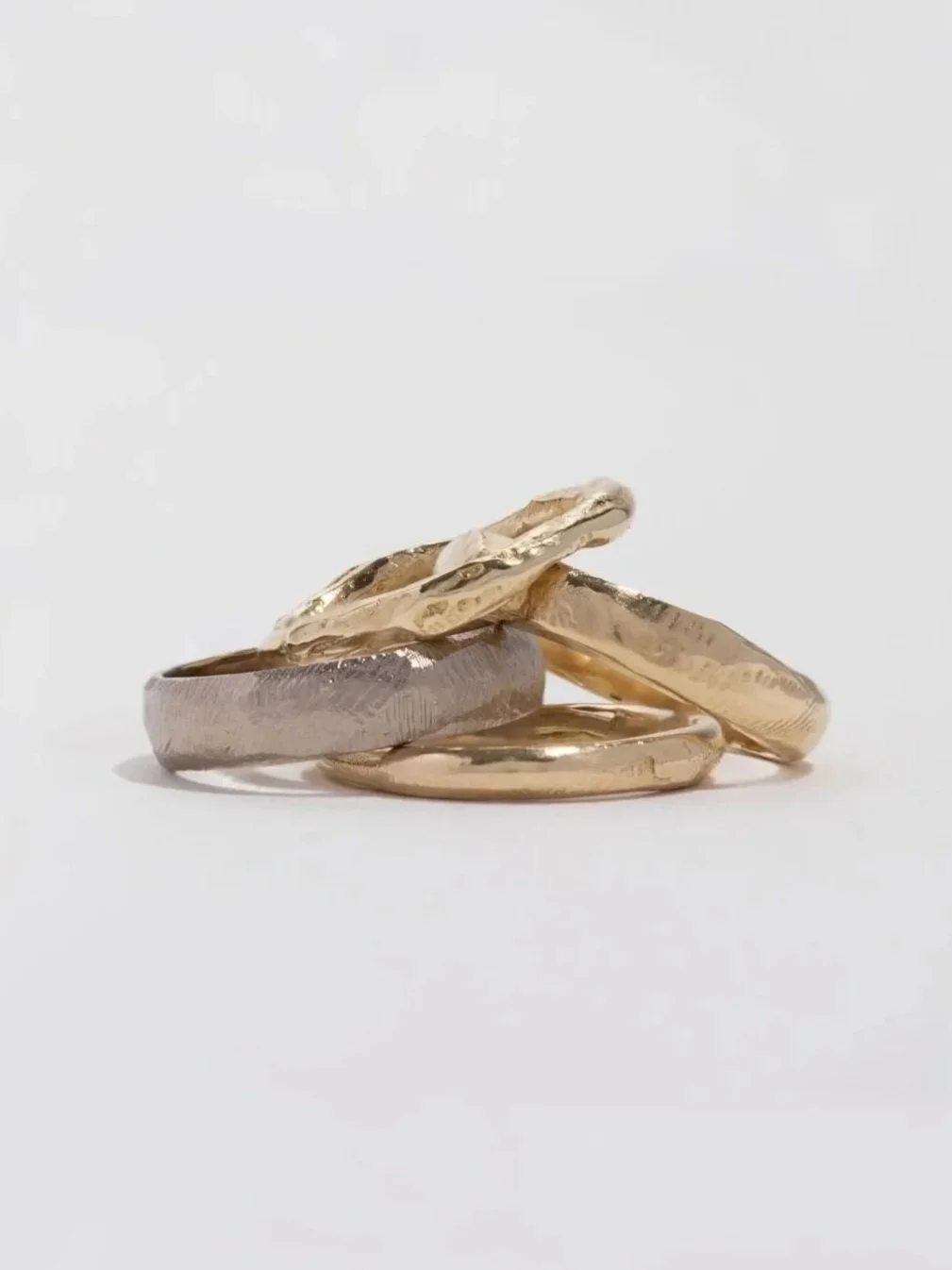
Rhodium is a precious metal belonging to the platinum family. It has a bright, reflective white appearance and is applied as a thin layer over the surface of white gold through a process called rhodium plating.
What is Rhodium?
Choosing your metal type and finish ultimately comes down to personal preference. Many people like the appearance of the bright rhodium plating while still choosing a higher-carat gold for the base of their jewellery.
If you prefer a whiter tone without rhodium plating, 9ct white gold is a great alternative. It offers a brighter light colouring compared to the higher-carat white gold.
Why choose rhodium plating?
It is important to note that rhodium plating is not permanent. Its longevity depends on daily wear, lifestyle and how a piece is cared for.
Pieces that are worn every day, such as rings, will naturally experience more wear over time. Pieces worn less frequently, such as earrings and pendants, can retain their finish for much longer.
When considering whether rhodium plating is right for you, it is important to understand that it requires ongoing maintenance over the lifetime of the piece.
How long does rhodium plating last?
Feel free to reach out any time! We are happy to chat through any questions you may have and ensure we find the right metal type and finish for you and your life style.