
The History of Diamond Cuts
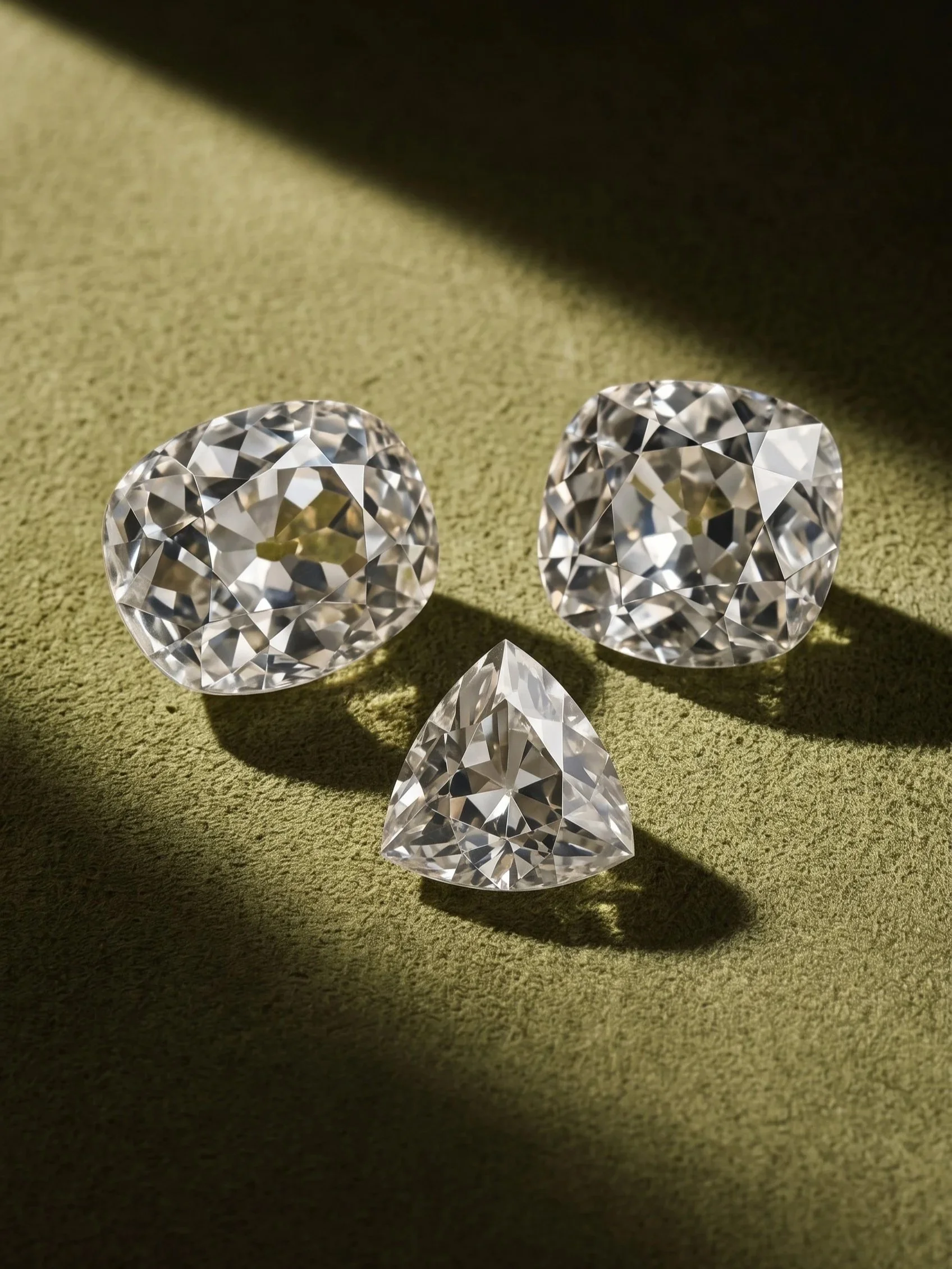
Diamonds form deep beneath the earth’s surface and are found in a variety of organic and geometric shapes. When cut and polished light can shine through and reflect brilliant shine & sparkle. Over the centuries, through technological advancement and experimentation, gem cutters developed various diamond cuts. Each has their own characteristics and unique ability to refract light.
14th Century
The Point Cut
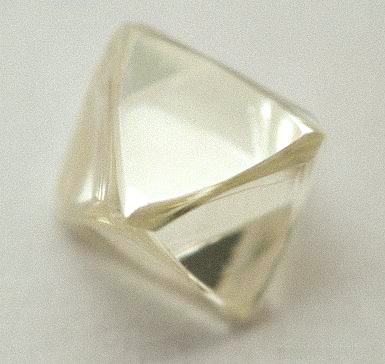
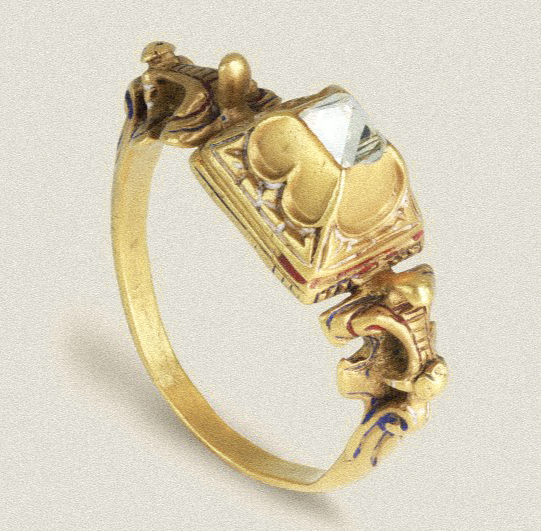
The earliest known diamond cut was crafted in medieval Europe. Cutters worked with the natural octahedron shape (shown here on the left), polishing all eight sides to bring out the gem's natural shine.
The Table Cut
14th - 16th Century
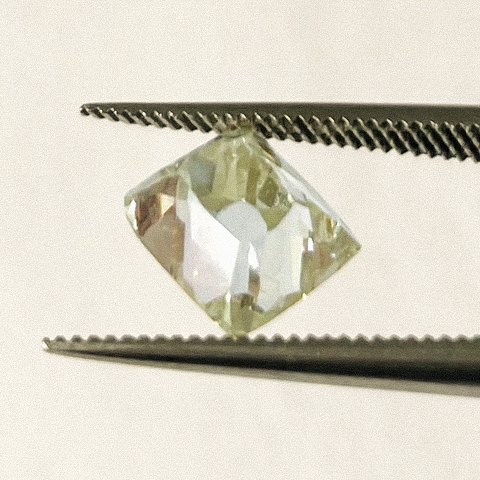
The renaissance period saw the birth of the table cut. One pointed side was ground down revealing the first ever gemstone ‘table’. This allowed light to filter through reflecting light in a new way.
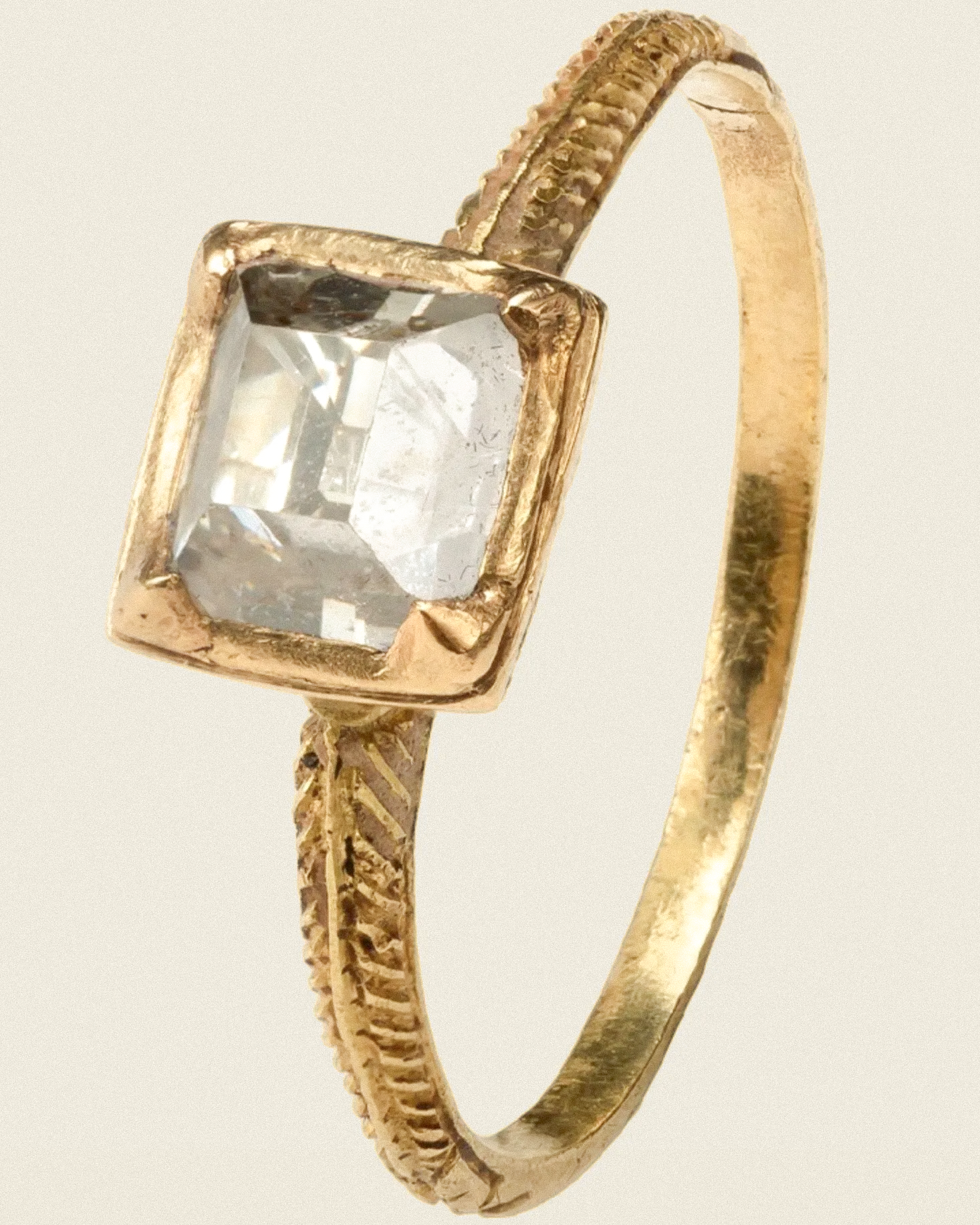
16th - 17th Century
The Rose Cut
The rose cut diamond is one of the first cuts featuring multiple facets reflecting flashes of light and revealing the diamond sparkle. The rose cut first emerged in India & later was popularised in Amsterdam & Antwerp. It features a flat base with 24 triangular facets emulating rose petals.
Old Mine Cut
17th - 19th Century
The old mine cut offers an elaborate design with 58 facets both on top and beneath the diamond. The old mine cut was designed to capture the flicker of candle light with rounded softened edges creating a cushion shape.
Diamonds were cut by hand with over all carat weight prioritised over precise symmetry. Antique old mine cut gemstones have asymmetrical organic features - that may seem ‘imperfect’ by modern symmetrical standards.
Old European Cut
17th - 19th Century
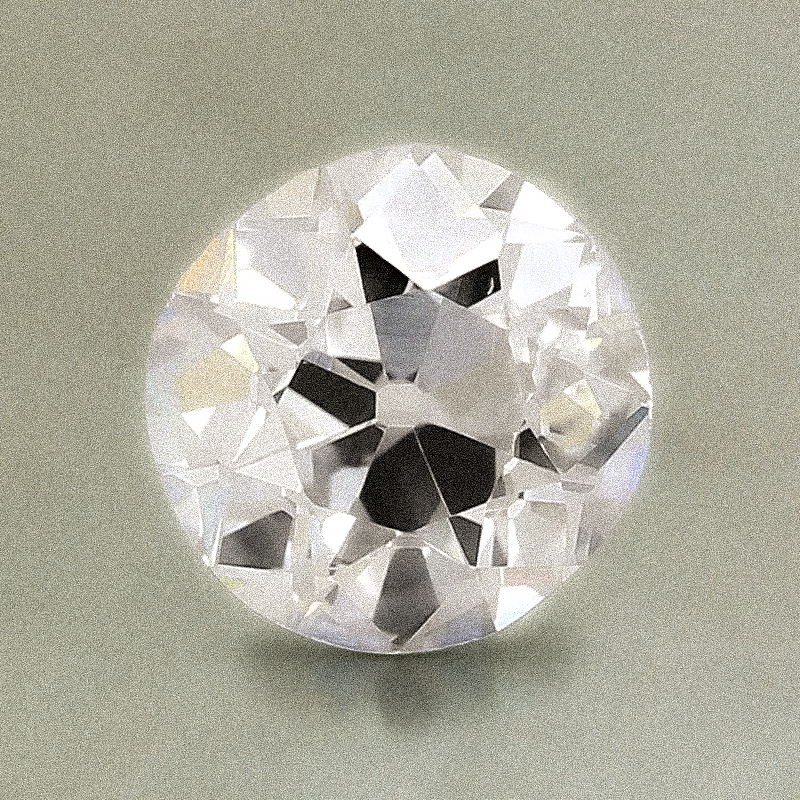
The European cut was born from new mechanical technology - specifically the introduction of the of the belt driven tool - ‘The Bruting Machine’. This allowed for rounded symmetrical girdle moving away from the organic ‘hand crafted’ look. The old European cut begins to resemble modern cuts and facets and becomes the precursor to the brilliant cut.
Transitional Cuts
1920’s - 1940’s Century
Diamonds of this era hold characteristics of the old mind cut with emerging designs of the contemporary brilliant cut. Gem stone cutters began to experiment and refine the old European cut with unique facet angles allowing for a circular refraction of light.
Brilliant Cut
1920’s - Today
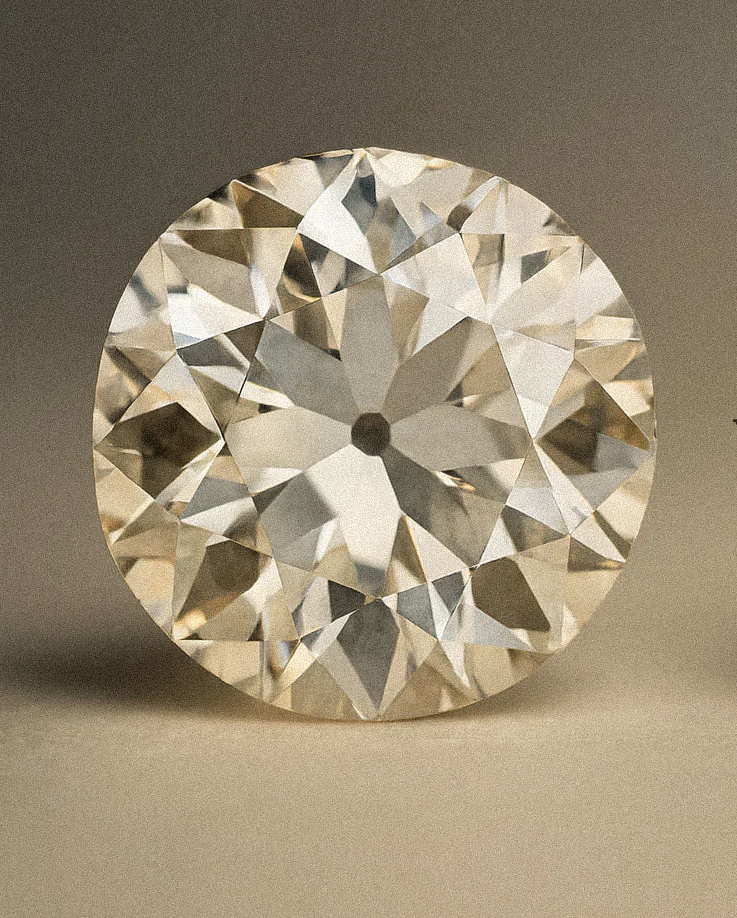
Today the brilliant cut is considered the most dazzling of all, featuring precisely cut facets designed for maximum light reflection and exceptional sparkle. The brilliant cut reflects brilliant white & rainbow light while helping disguise any inclusions.
The brilliant cut features 32 facets on the crow top face which allows light to enter the stone with the 25 facets beneath mirroring the light back allowing for it’s famous sparkle.
While the brilliant cut is widely considered the most spectacular, diamond cuts and styles ultimately come down to personal taste. Antique cut gemstones hold the markers of history, however newer gemstones are also cut with rose, old mine, step cut and a multitude of free form styles and techniques.
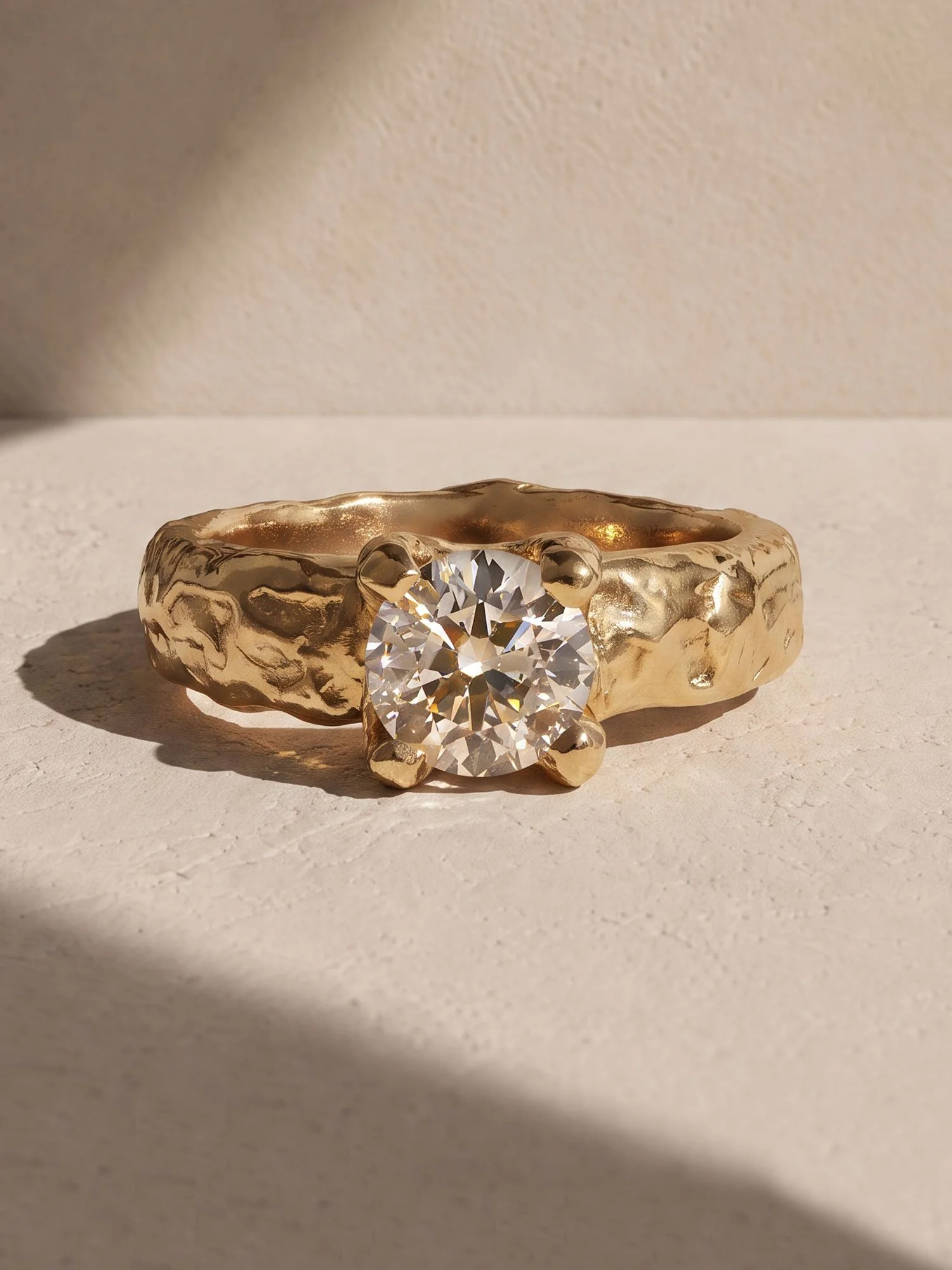
Would you like to specially source a unique or antique cut diamond?
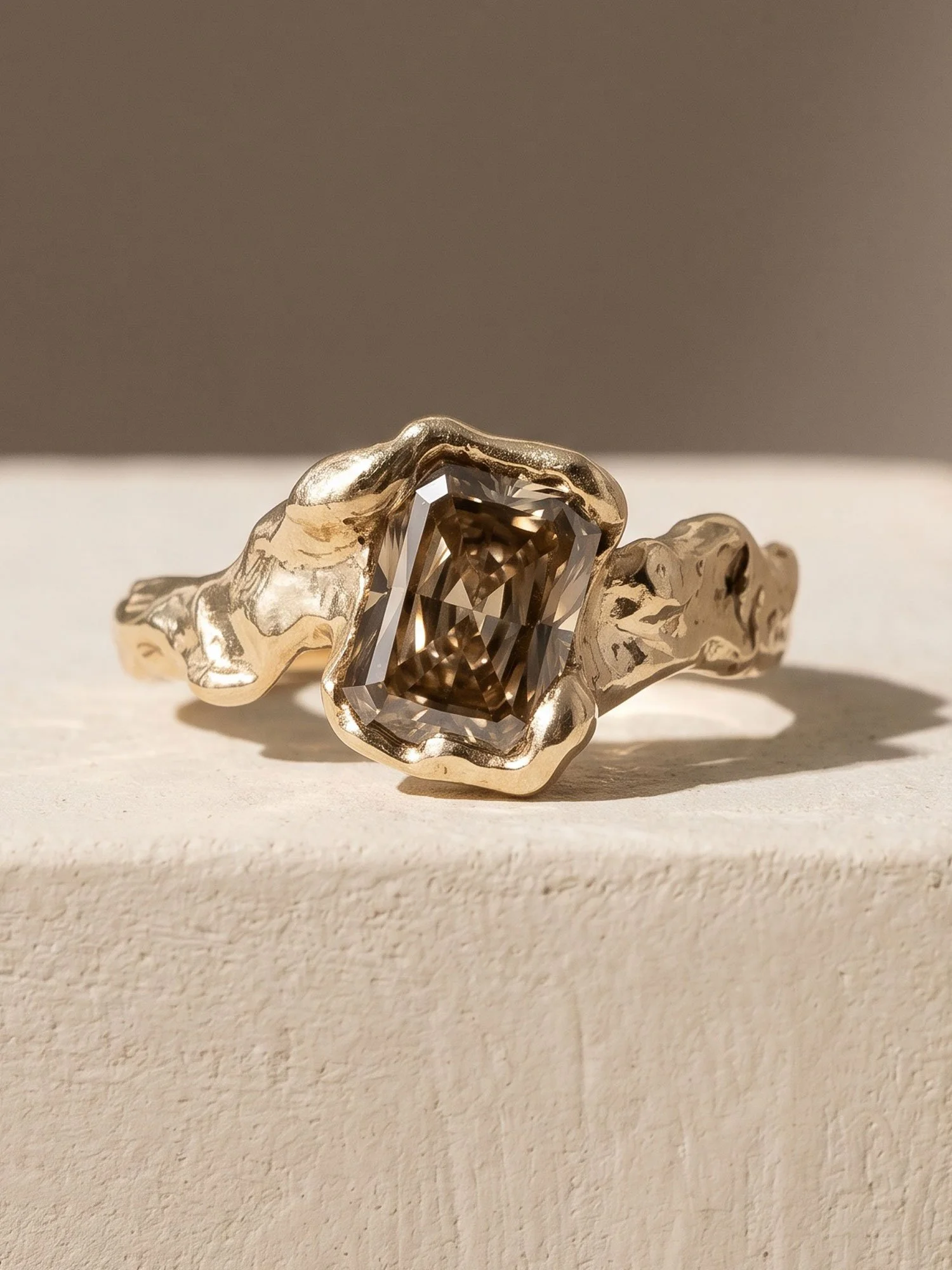
Get in touch! We can source unique stones from local trsuted suppliers and can provide a personalised diamond selection for you to choose from.